Plant atlas Short
Pomelo Peel Packs the Citrus Flavonoids
Pomelo · ส้มโอ · Citrus maxima
Pomelo — ส้มโอ (som-o) — Citrus maxima.
Pomelo — som-oh — the largest citrus on Earth, with a thick rind hiding pale, sweet-tart segments, plus how to peel it and where its flavonoids concentrate. The edible part is the fruit, and the thick pomelo rind heading for the bin packs more citrus flavonoids than the fruit. In lab and animal work, researchers measured citrus naringenin against vascular oxidative-stress markers. For pomelo nutrition, the segments are rich in vitamin C and potassium. Yam Som-O is a Thai pomelo salad where juicy fruit segments are tossed with a sweet-savory dressing, toasted coconut, and peanuts, served with fresh betel leaves. Miang Som-O is a traditional Thai appetizer of pomelo, prawns, and roasted aromatics wrapped in wild betel leaves, served alongside lemongrass tea. The thick peel and white pith are edible — often candied or cooked — and concentrate more citrus flavonoids than the juicy segments. Like grapefruit, pomelo can interfere with how your body processes many medications and dangerously raise the levels of certain ones, including some cholesterol drugs — so check with your doctor if you take regular medication.
Yam Som-O — ยำส้มโอ (yam-som-oh)
Miang Som-O — เมี่ยงส้มโอ (miang-som-oh)
Food and nutrients
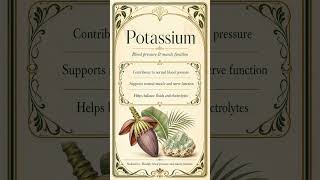
Rich in: vitamin C, potassium
Research context
Citrus naringenin reduced vascular oxidative stress in lab and animal studies — Heliyon, 2023
Sources
Source: Adetunji JA et al. (2023). Citrus flavonoids/naringenin/naringin on endothelial dysfunction: review. Heliyon 9(6):e17166. PMID 37484296
Narration transcript
Opening
The pomelo is the biggest citrus on Earth — a fruit the size of a bowling ball under a rind so thick it's almost armor. Pomelo — ส้มโอ, som-o. Peel through the pith to the pale, firm segments inside, which break into dry, sweet-tart beads you eat by hand or toss into a spicy pomelo salad.
Yam Som-O (ยำส้มโอ)
For yam som-o, juicy pomelo segments are tossed with a sweet-savory dressing, toasted coconut, and peanuts, served with fresh betel leaves.
Miang Som-O (เมี่ยงส้มโอ)
Miang som-o is a traditional appetizer that wraps pomelo, prawns, and roasted aromatics in wild betel leaves, served alongside lemongrass tea.
Nutrition summary
For all its size, pomelo is essentially a vitamin C fruit — very high in it, with only trace amounts of anything else.
Vitamin C
Vitamin C is used to build collagen and helps protect cells from oxidative stress.
Potassium
Potassium helps with normal fluid balance and muscle function.
Closing
Like grapefruit, pomelo can interfere with how your body clears certain medications — including some cholesterol statins — pushing their levels dangerously high. If you take regular medication, check with your doctor before making pomelo a habit. Follow Longevity Biome, and LIKE this video for regular updates.
Related playlists
Keep watching